

Table of Contents
The Bio-Fabricated Interior: Why Mycelium Furniture is the Silent Architect of Neuro-Wellness
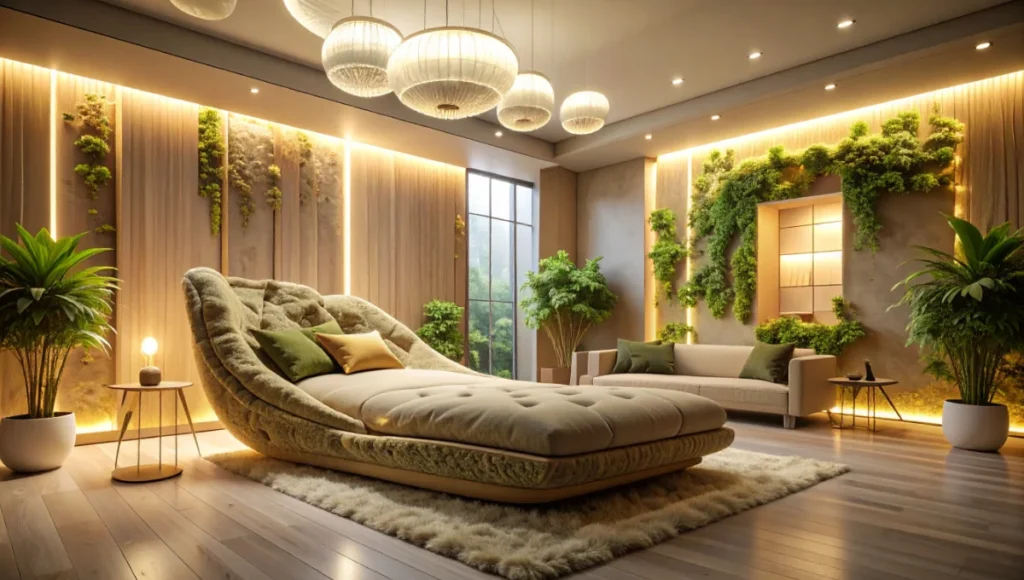
The traditional furniture industry is currently facing a metabolic crisis. As we inhabit increasingly sterilized, “smart” environments, our biological systems are beginning to reject the static, off-gassing polymers of the 20th century. This macro-observation is driving a shift toward mycelium furniture, a medium that moves beyond “decor” into the realm of living, breathing infrastructure. For the modern inhabitant, the choice of a chair is no longer an aesthetic whim; it is a physiological intervention.
Nuvira Perspective
At Nuvira Space, we view the dwelling not as a static shell of shelter, but as a “health machine”—a sophisticated extension of the human nervous system. We believe the next era of domestic life is defined by human-machine synthesis, where modular adaptability and circadian synchronization are the primary metrics of luxury. Mycelium furniture represents the first true bridge in this evolution: a bio-fabricated interface that allows our living spaces to harmonize with our biological rhythms, effectively turning the home into a regenerative sanctuary for the mind.
By treating the interior as a biological entity, we move past the limitations of traditional architecture into a symbiotic relationship with our environments. This approach is central to our philosophy of biophilic interior design, where the boundary between the built environment and the natural world is intentionally blurred to optimize human performance.
Technical Deep Dive: The Molecular Logic of Fungal Design
To understand the 7 stunning bio-fabricated designs currently disrupting the market, you must first understand the “hyphal architecture” that makes them possible. Mycelium is the vegetative part of a fungus, consisting of a network of fine white filaments (hyphae). When grown into a mold with a substrate—such as hemp, sawdust, or agricultural waste—it creates a structural composite that is both lightweight and incredibly dense.
The Physics of Fungal Comfort
When you sit on a mycelium-based stool, your body isn’t just interacting with a surface; it’s interacting with a complex cellular lattice. This lattice provides:
- Acoustic Attenuation: Mycelium’s porous nature allows it to absorb high-frequency sounds that trigger cortisol spikes in open-plan living. Unlike hard surfaces that cause sound waves to ricochet, mycelium acts as a “sonic sponge,” lowering the ambient decibel level and reducing cognitive fatigue.
- Thermal Inertia: Unlike cold plastic or metal, mycelium maintains a neutral temperature relative to the human body, reducing the “thermal shock” to the skin’s thermoreceptors. This promotes a more stable parasympathetic state, as the body does not need to divert energy toward thermoregulation upon contact.
- VOC Neutrality: Conventional furniture uses formaldehyde-based glues. Mycelium is self-binding, meaning your indoor air quality (IAQ) remains pristine. According to data from the American Institute of Architects (AIA) Materials Matter series, the elimination of Red List chemicals like formaldehyde is critical for long-term respiratory and neurological health in high-density urban environments.
7 Stunning Bio-Fabricated Designs Redefining Spatial Psychology
- The Sebastian Cox & Ninela Ivanova ‘Mycelium + Timber’ Series: A masterclass in material transition. By blending the structural rigidity of wood with the velvet-soft “skin” of fungi, this series creates a sensory bridge. The neuro-architectural value lies in the “edge-work”—where the brain perceives the transition between two organic states, stimulating visual interest without the stress of artificial patterns.
- The GROWN Bio ‘Lucid Chair’: This design utilizes the natural “grown-to-form” process to eliminate mechanical joints. In neuro-architecture, the absence of visible fasteners reduces “visual noise,” allowing the eye to glide over the form, which promotes a state of “soft fascination” as described by Attention Restoration Theory.
- Mogu ‘Acoustic Fields’: Wall-mounted modular tiles that treat the room as a sensory organ. These are not merely panels; they are skin-like extensions of the wall that dampen the “noise” of modern life. They serve as a primary intervention for individuals with sensory processing sensitivities.
- The ‘Myco-Welded’ Lounge by Blast Studio: Utilizing 3D-printing and mycelium to create complex, algorithmic geometries that mimic the fractal patterns found in nature. Fractals (D-value between 1.3 and 1.5) are proven to reduce stress levels by up to 60%. This technique is a precursor to future 3d printed neighborhoods where entire structures may be grown or printed from bio-composite materials.
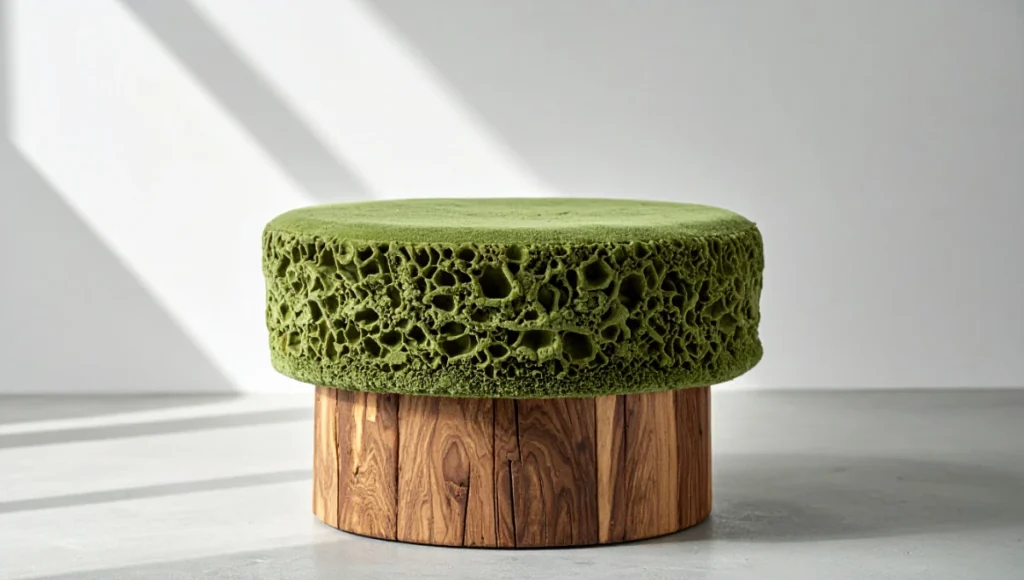
- Officina Corpuscoli’s ‘The Growing Lab’: A collection of stools and vessels that challenge the “finished” state of furniture. By embracing organic imperfections and the “living” patina of the fungus, this collection lowers the psychological pressure of maintaining a “perfect,” sterile home, encouraging a more relaxed, authentic interaction with the space.
- The ‘Zwell’ Meditation Seat: Specifically engineered for neuro-architectural grounding. The seat uses the specific density of mycelium to provide tactile feedback during deep-breathing exercises. The “give” of the material is non-linear, meaning it supports the skeletal structure while remaining soft to the touch.
- Ecovative’s ‘Cloud’ Lighting: Using the translucency of thin mycelium layers to filter LED light. By shifting the spectrum into a warm, circadian-friendly range (approx. 2200K), these fixtures prevent the blue-light-induced suppression of melatonin. This is a critical component of modern circadian lighting systems designed to restore natural sleep-wake cycles in urban inhabitants.
Comparative Analysis: Bio-Fabrication vs. Industrial Standard
The AIA has increasingly emphasized the “Building Life Cycle” in its Framework for Design Excellence. When we compare mycelium to the industry standard, the biological value becomes undeniable:
| Feature | Mycelium Furniture | Industry Standard (MDF/Plastic) |
|---|---|---|
| End-of-Life | 100% Home Compostable | Landfill / Toxic Incineration |
| Production Energy | Low (Biological Growth) | High (Petrochemical Refining) |
| Sensory Impact | Haptic Warmth / Acoustic Softening | Haptic Cold / Acoustic Reflection |
| Toxicity | Zero VOCs | High Formaldehyde/Phthalates |
| Embodied Carbon | Carbon Negative (Sequesters) | Carbon Positive (Emits) |
This shift toward carbon-negative materials mirrors the evolution of other structural industries, such as the rise of carbon negative concrete, as we move toward a net-zero built environment.
Macro-Environmental Case Study: The Rotterdam Symbiosis
In Rotterdam, a city world-renowned for its architectural resilience and circular economy initiatives, we see the macro-application of these principles. Designers here aren’t just making furniture; they are integrating “Blue City” philosophies where waste from local breweries feeds the mycelium that becomes the seating for the next public pavilion. This illustrates a shift from “Global Logistics” to “Local Biology,” a core tenet of the Nuvira Space philosophy. The AIA Case Study on Urban Metabolism highlights Rotterdam as a beacon for “Circular Architecture,” proving that mycelium isn’t just a material—it’s a system. This aligns with broader movements in urban rewilding examples, where city infrastructure is designed to function like a natural ecosystem.
Concept Project Spotlight: Speculative / Internal Concept Study: “The Synapse Room” by Nuvira Space
Project Overview: Location / Typology / Vision
Location: High-density urban residential (Conceptual) Typology: The “Recovery Core” (A dedicated neuro-wellness zone) Vision: To create a room that functions as a second skin, utilizing mycelium furniture and integrated sensors to modulate the occupant’s parasympathetic nervous system. This is a direct response to the “Always On” culture of global tech hubs. It serves as an essential feature for the future of micro living layouts, where every square inch must contribute to the occupant’s psychological well-being.
Design Levers Applied
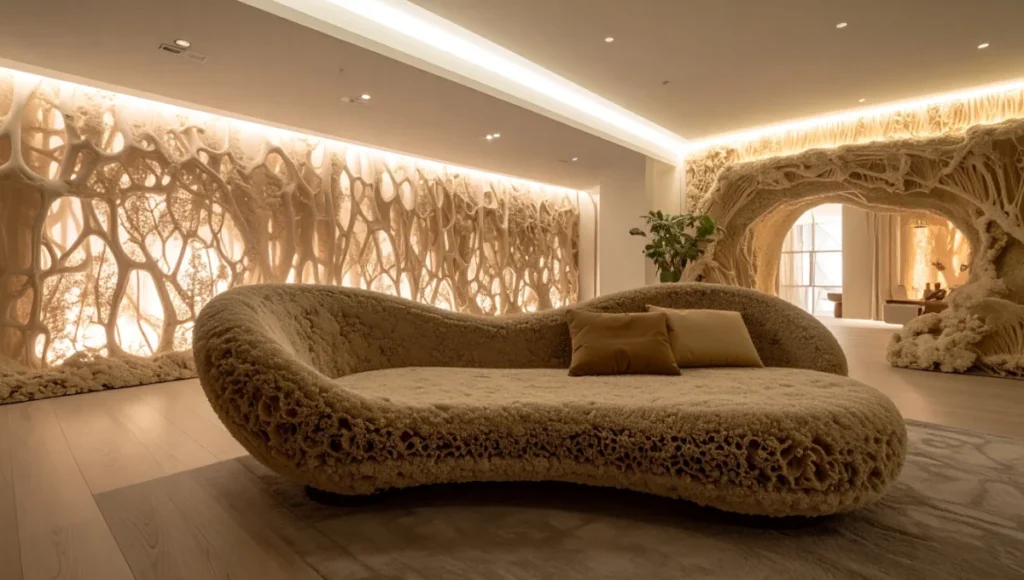
- Biomorphic Anchoring: The central focal point is a “Myco-Monolith” chaise longue, grown specifically to the user’s ergonomic scan data. This ensures 100% contact surface, distributing body weight perfectly and inducing “Deep Pressure Stimulation,” which has been shown to reduce anxiety.
- Circadian-Linked Porosity: The mycelium wall panels feature varying densities. During the day, they appear solid; as the sun sets, integrated backlighting reveals the intricate hyphal web, mimicking the dappled light of a forest floor (Komorebi), which triggers a natural “wind-down” response in the brain.
- Tactile Feedback Loops: Surfaces are intentionally textured with “growth nodes.” By running your hand over these nodes, you engage in “micro-grounding,” a technique used in spatial psychology to pull an over-stimulated mind back into the present physical moment.
Transferable Takeaway
You can apply the same logic at home by tuning evening lighting to warm ambers (under 2500K), building a “refuge corner” with soft, non-reflective organic materials, and simplifying one primary sightline toward a natural anchor (like a mycelium planter or a timber element) to lower cognitive load. This approach is highly effective for flexible home design, allowing a space to transition from a high-focus work environment to a deep-rest sanctuary.
Intellectual Honesty: Current Limitations
While we advocate for the fungal future, we must address the “Tension Gap.” Mycelium is exceptional under compression but lacks the tensile strength of steel or carbon fiber. You cannot yet build a cantilevered skyscraper out of mushrooms. Furthermore, the “biological aesthetic”—the tendency for mycelium to look “earthy” or “raw”—can be a barrier for those accustomed to high-gloss, sterile finishes. We are currently researching bio-polymers that can provide a “veneer” of smoothness without compromising the compostability of the core.
2030 Future Projection: The Living Component
By 2030, we predict the “dormant state” of mycelium furniture will be replaced by “active” furniture. In collaboration with synthetic biologists, we envision:
- Self-Healing Surfaces: A chair that can repair its own scratches through controlled re-hydration of dormant spores.
- Bio-Luminescent Ambient: Furniture that integrates Panellus stipticus (bioluminescent fungi) to provide zero-electricity ambient lighting.
- Nutrient Recycling: A domestic “digester” where your mycelium furniture can be broken down and “re-grown” into a new form every five years, ensuring your home evolves with your life stages. This “plug-and-play” biological system will likely be integrated into modular vs prefab homes, allowing for rapid interior updates that are carbon-negative.
Actionable Design Principles for the Bio-Inhabitant
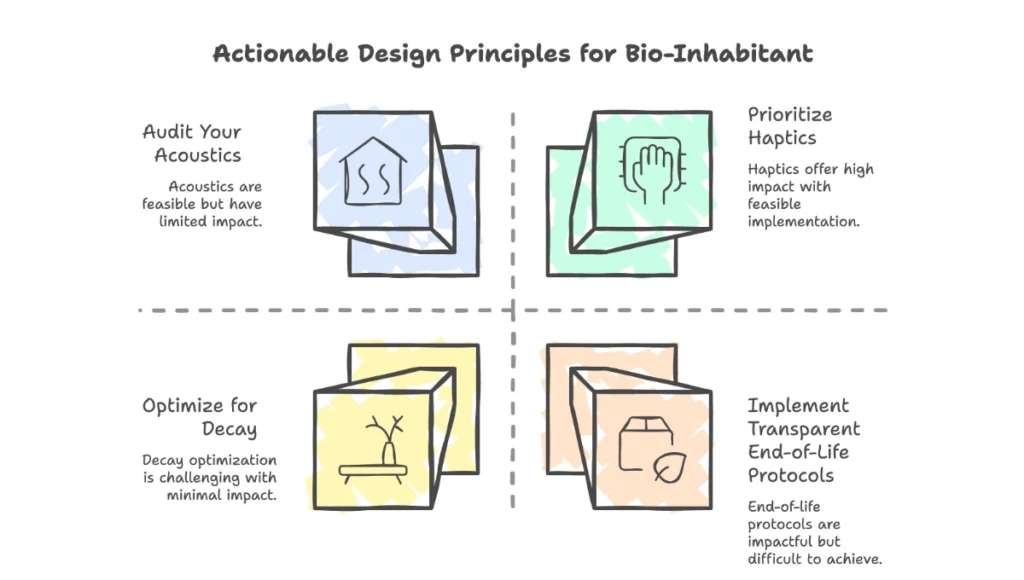
- Prioritize Haptics: Replace one cold surface (glass/metal) in your immediate reach—such as your desk or a side table—with a bio-fabricated material.
- Audit Your Acoustics: Identify the “echo points” in your room (usually corners or large bare walls) and introduce mycelium panels to soften the auditory environment.
- Optimize for Decay: Start viewing the lifecycle of your interior as a nutrient cycle. When a piece of furniture “dies,” does it feed the earth or poison it? Choose products with a transparent “End of Life” protocol.
Comprehensive Technical FAQ
Q: Is mycelium furniture durable enough for daily use?
A: Yes. When properly dehydrated and compressed, mycelium composites have a strength-to-weight ratio comparable to high-density foam or medium-hardwood.
- Compressive Strength: 0.2 – 2.0 MPa (Adjustable based on substrate density)
- Density: 50 – 150 kg/m³
- Fire Rating: Naturally fire-resistant (Class A) due to high chitin content.
Q: Does it smell like mushrooms?
A: No. After the “baking” process (which kills the fungus and stops growth), the material is inert and odorless. It typically carries a faint, pleasant scent of dried hay or timber, which contributes to a positive “Olfactory Architecture” within the home.
Q: How do I clean bio-fabricated materials?
A: Because it is porous, it should be treated like high-end suede or untreated wood. Use a dry or slightly damp cloth. Many Nuvira-spec designs include a natural carnauba wax coating for moisture resistance.
Join the Evolution of the Health Machine
The transition to a bio-integrated lifestyle is not a trend; it is a biological necessity. At Nuvira Space, we are documenting the shift from the “Mechanical Home” to the “Living Home.” The American Institute of Architects is already paving the way with its focus on human-centric design; it is time for the interior of our homes to catch up to the intelligence of our structures.
Are you ready to grow your next interior? Explore our latest neuro-architectural consultations and discover how bio-fabricated materials can recalibrate your domestic sanctuary.