

Table of Contents
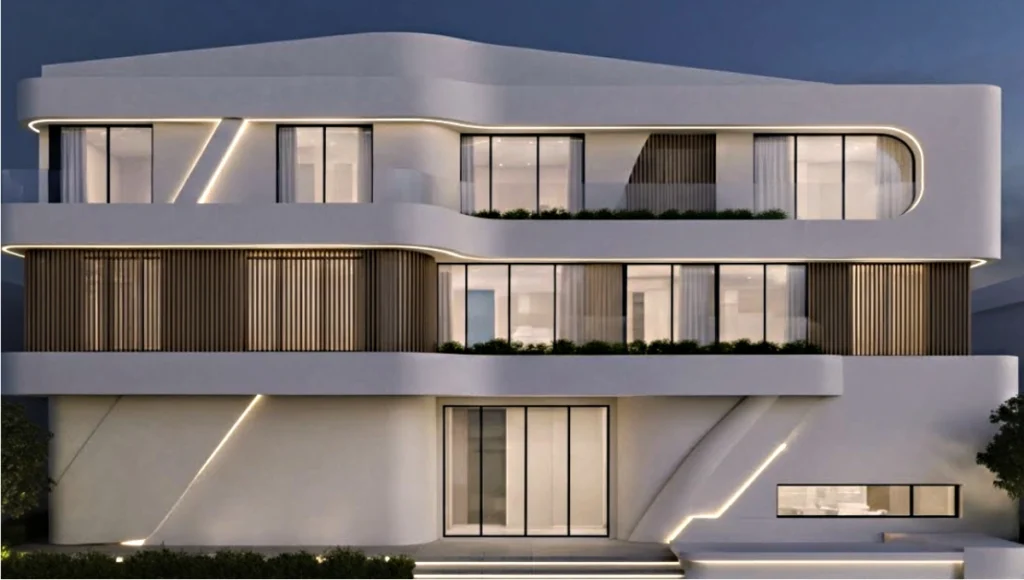
You are not just choosing square footage. You are choosing how 10,304 FT² will shape privacy, community, light, circulation, and long-term value. Dream Home Plan 2026 presents 1 visionary concept built around a disciplined footprint of 65′ 0″ width and 46′ 0″ depth, rising to 46′ 4″ in height across 3 stories.
This is not a decorative exercise. It is a structured architectural response to density, flexibility, and multi-family living. With 12 bedrooms, 8 bathrooms, 0 garage spaces, and a total structure of 10,304 Ft2, this apartment dwelling rethinks how you organize space for modern life.
Every number matters. Every dimension carries intention.
The Architectural Framework: Precision Over Excess
The building occupies a compact 65′ 0″ by 46′ 0″ footprint. That proportion is critical. At this scale, the plan avoids deep, light-starved interiors while maximizing usable perimeter walls for windows. The 46′ 4″ overall height allows 3 full stories without compressing ceiling volume.
Each level maintains an 8′ 0″ ceiling height:
- 8′ 0″ main floor ceiling
- 8′ 0″ upper floor ceiling
- 8′ 0″ third floor ceiling
- 8′ 0″ lower floor ceiling
This consistency creates visual continuity throughout the structure. You never experience abrupt compression between levels. Instead, you move through a rhythm of evenly proportioned volumes that support furniture layout, daylight penetration, and acoustic balance.
The structure is framed with 2×6 construction. That choice is not arbitrary. Thicker exterior walls support improved insulation performance, structural durability, and long-term energy efficiency. Combined with truss roof framing, the building benefits from efficient load distribution and faster construction sequencing.
The primary roof pitch of 8/12 establishes a strong architectural silhouette, while the secondary 10/12 pitch introduces dynamic layering. The result is a roofscape that feels intentional rather than flat or anonymous.
Total Structure and Spatial Distribution
The total structure measures 10,304 Ft2. The distribution is carefully balanced:
- 2,576 Ft2 1st Floor
- 2,576 Ft2 2nd Floor
- 2,576 Ft2 3rd Floor
- 2,576 Ft2 Lower Floor
This symmetry simplifies structural stacking, plumbing alignment, and vertical circulation. When floor plates repeat at 2,576 Ft2, systems can be rationalized. That translates to construction efficiency and long-term maintenance clarity.
Within this structure, the unit heated area totals 10,304 Ft2, ensuring that every primary interior space is conditioned and functional.
The plan is designed as an apartment dwelling number, structured around multiple residential units. The breakdown includes:
- 1,194 Ft2 lower floor
- 1,193 Ft2 each 3-bedroom unit
- 1,193 Ft2 each 2-bedroom unit
Rather than treating these as abstract numbers, consider what 1,193 Ft2 truly means. It allows you to create 3-bedroom or 2-bedroom configurations that do not feel compressed. Bedrooms can maintain proportional widths. Circulation corridors can avoid awkward bottlenecks. Living spaces can accommodate full furniture layouts without forcing compromise.
12 Bedrooms, 8 Bathrooms: Density With Dignity
Housing 12 bedrooms within 10,304 FT² demands precision. It cannot rely on excess.
Each bedroom is designed with family-style functionality and walk-in closet access. That decision changes daily life. A walk-in closet absorbs storage volume that would otherwise spill into circulation zones. It protects visual calm within sleeping areas.
With 8 bathrooms distributed strategically across the structure, morning congestion is minimized. Plumbing stacks can align vertically due to the stacked 2,576 Ft2 floor plates. That means less wasted mechanical routing and more efficient servicing over time.
When you think about 12 bedrooms, you are not simply counting sleeping spaces. You are creating flexibility:
- Multi-generational living
- Rental income opportunities
- Guest accommodation
- Home office conversions
- Short-term or long-term tenancy models
The density works because the layout supports it.
The Open Floor Plan: Why It Matters
The plan incorporates an open floor plan anchored by a Great Room. This is not a trendy decision. It is a spatial strategy.
In a 1,193 Ft2 residential unit, removing unnecessary partitions allows:
- Cross-ventilation
- Extended sightlines
- Shared natural light
- Flexible furniture placement
The Great Room acts as a spatial equalizer. Whether the unit is configured as a 3-bedroom or 2-bedroom layout, the central shared area provides cohesion.
Open planning also enhances perceived square footage. When walls are minimized, the 2,576 Ft2 floor plate feels expansive rather than segmented.
Kitchen Design: L-Shaped Precision With Island Functionality
Each unit features an L-shaped kitchen with a kitchen island and walk-in pantry.
The L-shaped configuration is efficient within the 1,193 Ft2 unit envelope. It preserves corner efficiency while maintaining clear circulation routes. The work triangle becomes practical rather than exaggerated.
The kitchen island is not decorative. It supports:
- Additional prep surface
- Casual seating
- Social interaction
- Visual zoning within open layouts
Because the plan includes a walk-in pantry, upper cabinets do not need to carry the entire storage burden. That allows you to design a kitchen that feels lighter, more contemporary, and less crowded.
In daily life, this translates to functionality. Groceries have designated storage. Appliances can be integrated without clutter. Meal preparation can coexist with conversation in the Great Room.
Laundry on 1st and 2nd Floors: Practical Layering
The inclusion of laundry on both the 1st Floor and 2nd Floor is a deliberate efficiency move.
In multi-unit or multi-family configurations, distributing laundry reduces vertical traffic. You are not forcing occupants to move between 3 stories for daily tasks.
Within a 2,576 Ft2 floor plate, laundry placement can be aligned with plumbing stacks serving bathrooms. This reduces mechanical complexity and preserves usable square footage.
Laundry is often overlooked in architectural planning. Here, it is integrated strategically.
Exterior Expression: Covered Front and Rear Porches
The building includes a covered front porch and covered rear porch, totaling 894 Ft2 of unheated living space.
That 894 Ft2 is not secondary. It expands the experiential footprint of the home without increasing conditioned square footage.
A covered front porch establishes architectural presence. It provides a threshold between public street and private interior. It supports social engagement while maintaining control.
The covered rear porch extends living space outward. It allows shaded outdoor seating, protected dining, or transitional circulation zones. Because it is covered, it remains usable in varied weather conditions.
The balance between 10,304 Ft2 heated structure and 894 Ft2 porch space creates layered living.
No Garage: A Strategic Omission
The plan includes 0 garage spaces and Garage Options: None.
This is not a deficiency. It is a positioning decision.
By eliminating garage volume, the 65′ 0″ width and 46′ 0″ depth are fully dedicated to habitable space. In urban or high-density contexts, detached parking or shared parking strategies may be more efficient.
The absence of a garage allows:
- Stronger façade symmetry
- Enhanced ground-level activation
- Better use of structural budget
You are choosing living space over vehicle storage.
Vertical Circulation Across 3 Stories
A 3-story building within 46′ 4″ height demands disciplined circulation.
Because each level maintains 2,576 Ft2, stair placement can align consistently. This vertical stacking simplifies code compliance and emergency egress strategies.
The repetitive floor plate supports efficient structural load transfer through 2×6 framing and truss roof systems. The building behaves predictably under load.
For you, this means clarity. You can understand the building at a glance. The structure is not chaotic. It is rational.
Lower Floor: 1,194 Ft2 of Opportunity
The lower floor measures 1,194 Ft2. This dimension allows flexible programming.
In a multi-unit context, it may support:
- Additional residential unit
- Shared amenities
- Storage rooms
- Mechanical zones
At 8′ 0″ ceiling height, it remains fully functional rather than compressed.
When planning a building with 12 bedrooms and 8 bathrooms, the lower level becomes a strategic asset. It can absorb support functions, freeing upper floors for primary living.
Structural Integrity and Long-Term Performance
The 2×6 framing enhances structural resilience. Thicker walls improve thermal performance and sound insulation between units.
Truss roof framing allows for efficient spanning across the 65′ 0″ width. Combined with the 8/12 primary roof pitch, it supports drainage and long-term durability.
The 10/12 secondary pitch adds complexity without compromising structural logic. It reinforces architectural identity while maintaining structural efficiency.
This is how you balance design expression with construction pragmatism.
Living Experience Within 1,193 Ft2 Units
Each 1,193 Ft2 unit is calibrated for livability.
In a 3-bedroom configuration, you gain:
- Defined sleeping zones
- Family-style bedroom layout
- Walk-in closet storage
- Central Great Room
In a 2-bedroom configuration, the same 1,193 Ft2 can allow larger bedroom footprints or expanded living areas.
Because the open floor plan reduces partition density, the interior feels larger than the raw number suggests.
You experience proportion, not compression.
Ceiling Heights and Psychological Comfort
An 8′ 0″ ceiling height across all floors provides consistent visual alignment.
Higher ceilings can feel dramatic but may increase energy loads. Lower ceilings can feel restrictive. At 8′ 0″, you achieve a balanced scale suitable for multi-unit living.
Within 2,576 Ft2 per floor, that height allows generous window openings without compromising structural headers.
You live within measured proportions.
Apartment Dwelling Model: Flexible Ownership Strategy
The designation as an apartment dwelling number positions Dream Home Plan 2026 as adaptable.
You can structure it as:
- Multi-family rental property
- Co-living residence
- Extended family compound
- Hybrid live-work model
With 12 bedrooms and 8 bathrooms, the model supports revenue diversity or shared living efficiency.
The structure does not lock you into one lifestyle. It gives you options.
Circulation Efficiency in a 65′ 0″ x 46′ 0″ Envelope
The rectangular footprint encourages straightforward corridor planning.
Within 2,576 Ft2, you can:
- Centralize vertical stairs
- Align bathrooms vertically
- Position kitchens back-to-back
- Maximize perimeter daylight
You avoid fragmented geometry that wastes square footage.
Every foot inside 10,304 FT² works.
The Role of the Great Room
The Great Room is the emotional center.
In high-density planning, shared space quality determines perceived luxury. A strong central living area offsets bedroom quantity.
Within the open floor plan, the Great Room connects directly to the L-shaped kitchen and kitchen island. The spatial flow encourages interaction.
In a building with 12 bedrooms, communal spaces must prevent isolation. The Great Room fulfills that role.
Unheated Living Space: 894 Ft2 of Social Extension
The 894 Ft2 porch area is a strategic buffer between interior and exterior.
Because it is unheated, it reduces mechanical load while extending usability.
In practical terms:
- You can host gatherings without crowding interior rooms
- You gain weather-protected circulation
- You enhance façade depth and shadow
Architecturally, porches soften the transition between mass and landscape.
Why Dream Home Plan 2026 Works
Dream Home Plan 2026 is not visionary because of ornament. It is visionary because of discipline.
10,304 FT² is organized into rational 2,576 Ft2 layers.
12 bedrooms are balanced by 8 bathrooms.
1,193 Ft2 units are optimized through open planning.
65′ 0″ width and 46′ 0″ depth create proportionate massing.
2×6 framing and truss roof systems reinforce durability.
8/12 and 10/12 roof pitches define architectural identity.
894 Ft2 porch space extends livability.
0 garage spaces prioritize human occupancy.
Every metric supports a lived outcome.
Is This the Right Vision for You?
If you are evaluating Dream Home Plan 2026, you are likely thinking beyond aesthetics. You are considering density, flexibility, revenue potential, and structural clarity.
This 1 visionary concept asks you to rethink how 10,304 FT² can serve multiple households within a disciplined footprint.
It offers:
- Predictable structural logic
- Efficient vertical stacking
- Balanced communal and private zones
- Adaptable unit configurations
- Long-term durability
Architecture succeeds when numbers and experience align. In this plan, they do.
Now consider your next move. Does your current vision match this level of structural clarity and spatial intention? If you are ready to build smarter, denser, and more deliberately, engage with the design and evaluate how Dream Home Plan 2026 can shape your next project.
If the download link does not function properly, subscribe to Nuvira Space and we will send the full blueprint file directly to your inbox.